

REVIEWED BYSeth Wilson
Summary:AI data center growth, electrification and defense projects are driving massive copper demand toward a projected 10-million-ton deficit by 2040. To address supply chain opacity, tokenized real-world assets (RWAs) could offer verified tracking and institutional financing for critical copper infrastructure.
moreAI data center growth, electrification and defense projects are driving massive copper demand toward a projected 10-million-ton deficit by 2040. To address supply chain opacity, tokenized real-world assets (RWAs) could offer verified tracking and institutional financing for critical copper infrastructure.
Everyone talks aboutAIas though it’s asoftwarestory that revolves aroundmodels, parameters, compute and inference costs. What gets left out of that conversation is the part that actually makes any of it run — the wires, the grids, thedata centersdrawing extraordinary amounts of powerand the metal sitting at the center of all of it.
Copper isn’t a particularly exciting word in a space obsessed withthe next model release. However,S&P Global’s projectionprojection that the global copper supply gap could reach 10 million metric tons by 2040 is making it interesting fast. It indicates a structural problem building quietly underneath anAI economythat hasn’t fully come to terms with its own physical dependencies.
What Is Real-World Asset (RWA) Tokenization?
Real-World Asset (RWA) tokenization is the process of using blockchain infrastructure to bring tangible, physical assets like commodities, real estate or traditional financial instruments on-chain. By converting these assets into digital tokens, RWA tokenization aims to make illiquid or opaque assets more transparent, tradeable, auditable and efficiently financed across industrial supply chains.
AI Needs Physical Assets to Run
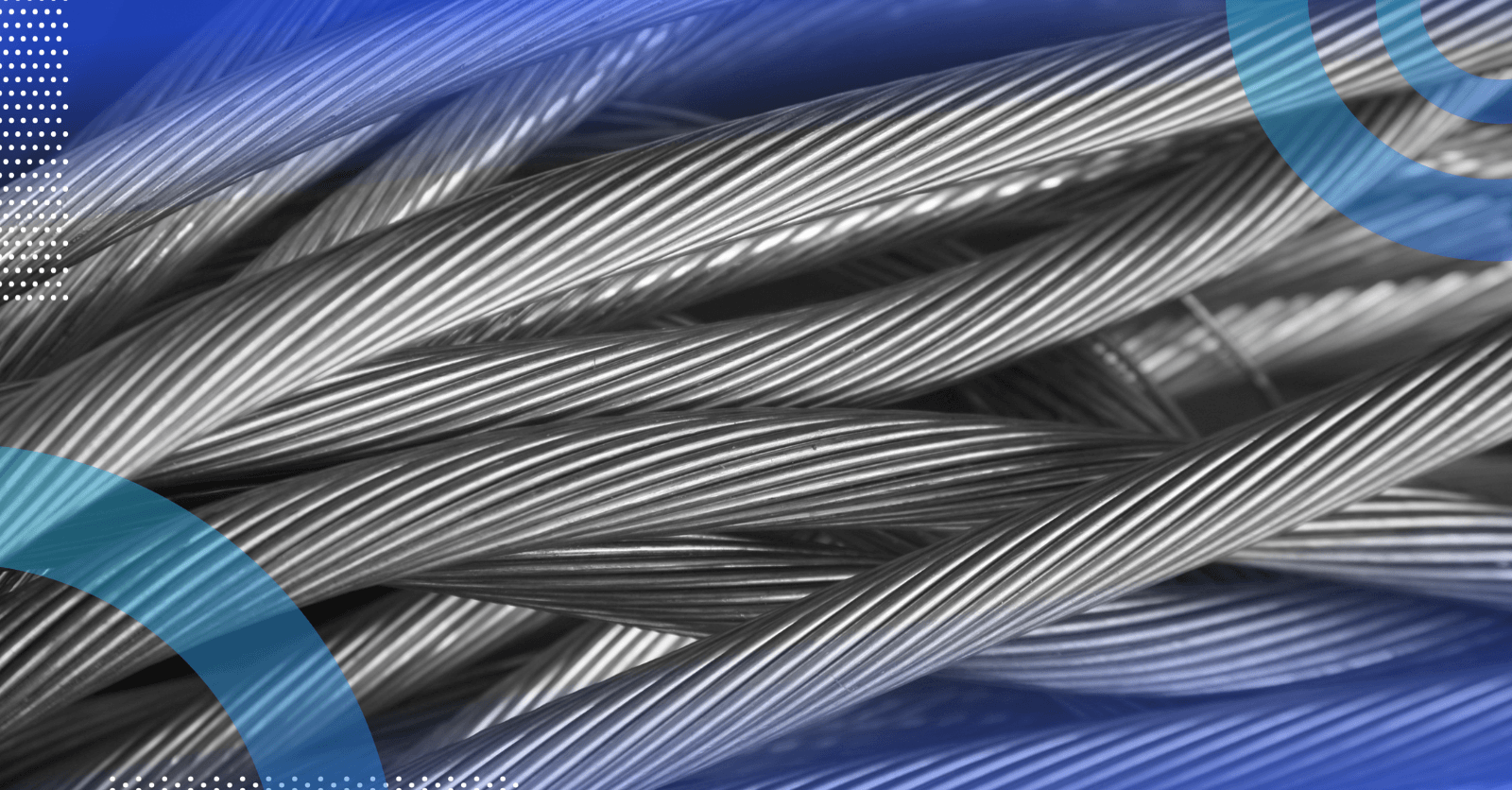
A single, large-scaleAI data centercan require thousands of miles of copper wiring. The metal is used in grid expansion to support electrification, EV infrastructure and the power demands of compute-heavy workloads, all of which are putting pressure on the supply chain.
Add defense projects, where copper is becoming critical to weapons systems, communications infrastructure andmilitary hardware. Basically, you now have multiple, high-urgency demand curves converging on a commodity that takes years, sometimes even decades, to bring new supply online.
New copper faces numerous hurdles, as the mines aren’t keeping up and permitting timelines keep getting longer. New projects also face environmental hurdles, geopolitical complications and the basic reality that declining ore grades at major operations have been documented in industry research, including S&P Global’s analysis.
Although the metal itself has remained the same, the number of critical systems dependent on copper at once has changed dramatically.
A Strategic Asset With an Opacity Problem
For most of its history, copper was seen as a conventional industrial input, with demand largely tied to construction, manufacturing and broader economic cycles. That framing no longer tells the whole story.
When a metal suddenly becomes the cornerstone ofAI infrastructure, energy transition and the national security apparatus, it starts behaving more like a strategic asset than a commodity. And although world governments are beginning to treat it that way, the markets haven’t fully caught up yet.
Part of what makes this problem particularly difficult is the opacity of the copper supply chain. Financing for mining and processing remains fragmented, and traceability across the chain, from extraction through refining to end use, is still largely inconsistent.
In the same vein, price discovery in physical markets remains less transparent than it should be for something this important. And when the stakes are this high, such inefficiencies stop being mere inconveniences and become real risks.
Can RWAs Solve This Bottleneck?
Real-world asset (RWA) tokenization has been a live conversation incryptoandfintechcircles for several years now. RWAs work on a simple premise. They take illiquid, opaque or inaccessible assets and make them more transparent, tradeable and efficiently financed throughblockchaininfrastructure.
RWAs are already disrupting asset classes like bonds, real estate and private credit. The rise of tokenized Treasury products, including initiatives fromBlackRock and Franklin Templeton, illustrates how traditional financial instruments are increasingly being brought on-chain. Essentially, the early wave of RWA projects has replicated existing financial instruments and put them on-chain without changing how they work.
Although this works fine as a starting point, it’s not nearly enough as an endpoint.
The more interesting and more demanding question is whether tokenization can actually improve how physical commodities move through industrial supply chains instead of just creating a digital wrapper around an existing financial product. Copper is about as good a test case as exists for that question. That means every step of the chain — procurement of secondary raw materials, processing through a certified industrial partner, sale to verified buyers — generates data that is independently verified and reflected in the product structure. That means physical inspection at each operational cycle, independent third-party reconciliation of commercial documentation and public on-chain accounting, not as marketing claims, but as a verifiable chain of evidence.
For an institutional investor, this changes the nature of the credit decision. Instead of evaluating a narrative, they can cross-reference a physical inspection report against a transaction timestamp, verify the regulatory authorizations of the processing partner and review independent reconciliation of procurement and sales documentation.
Copper-backed RWAs, done seriously, could improve auditability across the supply chain. They could open financing channels for producers who currently operate in a difficult credit environment. They could also give institutional buyers cleaner visibility into provenance and supply risk.
None of that is guaranteed — tokenization doesn’t fix bad infrastructure just by existing — but the potential is specific and real in a way that some earlier RWA applications weren’t.
The Credibility Test for Blockchain
At present, there’s already a version of RWA tokenization that remains essentially a crypto narrative with a commodity attached. A token, some documentation, a whitepaper that talks about transparency and liquidity, and not much else that changes how the underlying market actually functions. That version is easy to build and easy to dismiss.
If copper is becoming a bottleneck for the AI economy, RWAs have a genuine chance to prove they can support the physical infrastructure behind the next wave of technology. The question is whether the projects entering this space are serious about solving that problem or just serious about the story.
That distinction will become obvious fairly quickly since the supply gap doesn’t care about narratives.
